
Colour coding and quarantining failed lifting equipment
On a busy site with a lot of lifting gear, two practical problems come up again and again: how does anyone know at a glance whether a sling is in date, and how do you make sure a failed accessory does not get picked up and used again? The answer to both is a simple, disciplined system: colour coding to show inspection status, and a proper quarantine process for equipment that has failed. Neither is complicated, but both have to be applied consistently to work.
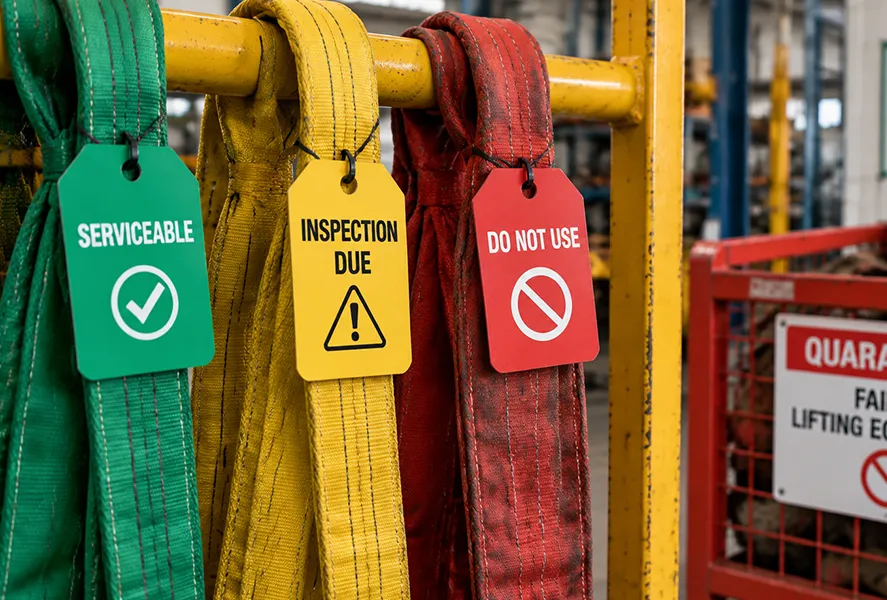
This reference explains how a colour-coding system works for lifting equipment inspection status, and how to quarantine failed gear so it cannot return to service by accident. It is about the process and the discipline, which is what actually keeps unsafe gear out of use.
A colour-coding system assigns a colour to each inspection period so anyone can see at a glance whether a piece of lifting equipment is currently in date, without checking paperwork. Quarantining is the process of physically removing failed or out-of-date equipment from where it could be used, segregating it in a designated area, and clearly marking it as not to be used, until it is repaired, re-examined or destroyed. Together they prevent the two biggest practical risks: using gear that is overdue for examination, and picking up an accessory that has already failed. The system only works if it is applied consistently and everyone understands it.
What is a colour-coding system for lifting equipment?
A colour-coding system is a way of showing the inspection status of lifting equipment at a glance. A colour is assigned to a given inspection or examination period, and equipment that has passed for that period carries that colour, so a supervisor or user can see instantly whether an item is current without stopping to check records. When the period changes, the colour changes, and anything still displaying the old colour stands out immediately as due for examination. It is a visual control that turns an invisible date into something obvious on the shop floor.
The value is speed and clarity: on a site with hundreds of accessories, nobody can check the paperwork for every sling before every lift, but everyone can recognise a colour. It supports, rather than replaces, the formal examination regime and the reports behind it.
How should a colour-coding system be run?
A colour system that is not kept up to date, or that people do not understand, gives false confidence, which is worse than none. The discipline of running it correctly is the point.
For a colour system to be reliable, a few things have to be in place:
- 01
A defined scheme
A clear plan of which colour applies to which period, documented so it is consistent.
- 02
Everyone is informed
Users and supervisors must know the current colour and what it means, or the system is meaningless.
- 03
Consistent application
Every item that passes is marked, and the colour is changed on schedule.
- 04
Backed by records
The colour is a quick indicator, but the underlying examinations and reports remain the formal evidence.
- 05
Remove and segregate
Failed or out-of-date equipment is removed from use immediately and placed in a designated quarantine area.
- 06
Mark and record
Quarantined items are marked clearly as not to be used, and the removal is recorded.
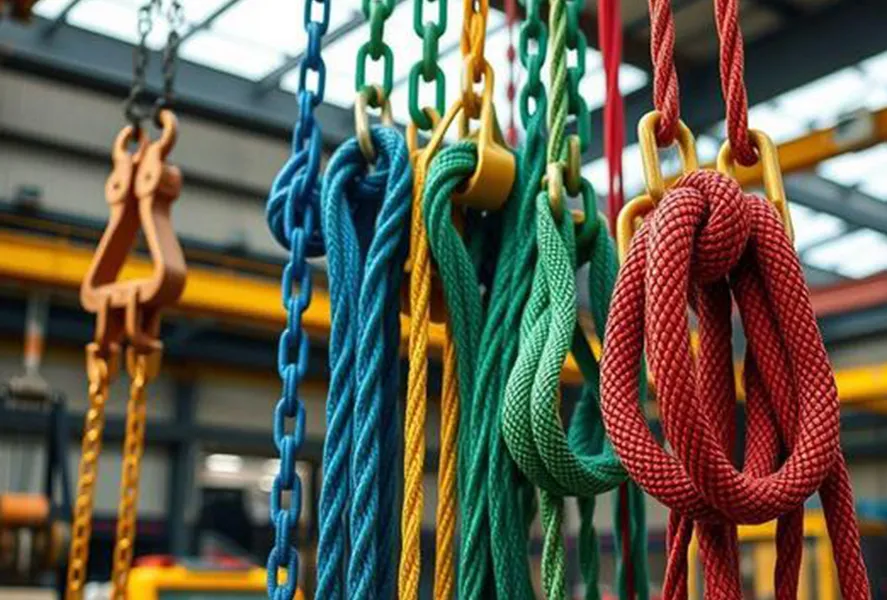
How do you quarantine failed lifting equipment?
Quarantine is what stops a failed accessory being used again, and it is a process, not just a label. When a piece of lifting equipment fails inspection or examination, or is otherwise found unsafe, it should be removed from use immediately, segregated in a designated quarantine area physically separated from serviceable equipment, and marked clearly as not to be used. The removal should be recorded, and its fate decided: repair and re-examination by a competent person, or destruction, depending on the item and the damage, so it never quietly returns to service.
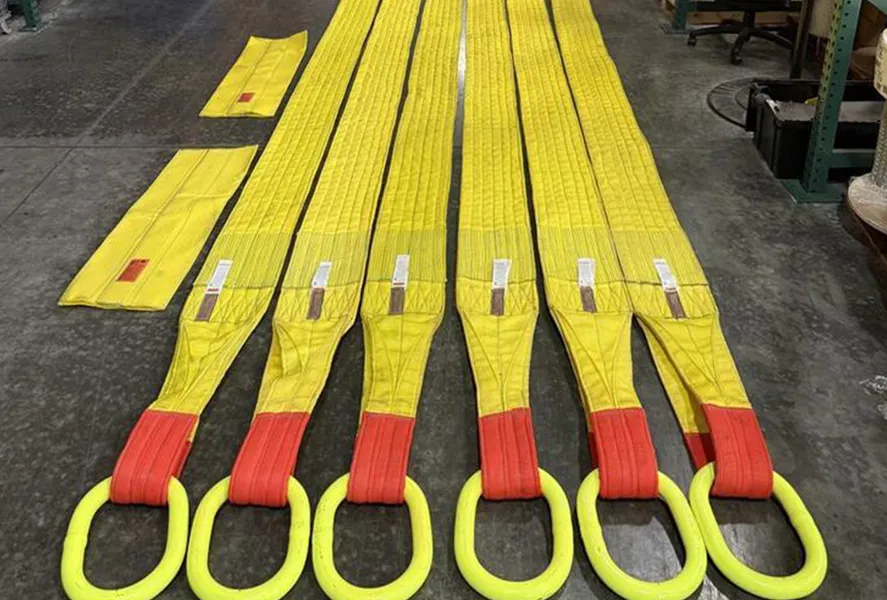
Segregation is the safeguard
The critical step is physical segregation. A failed sling left hanging on the same rack as the good ones will, sooner or later, be used. Getting it away from the serviceable gear and into a quarantine area is what actually prevents the accident, more reliably than any label on its own. Out of the rack, out of harm's way.
Making the process stick
Colour coding and quarantine are only as good as the discipline behind them, which is largely a matter of training and routine. A colour system that is not kept up to date, or that people do not understand, gives false confidence, which is worse than none. When everyone understands the colour in use and the rule that failed gear goes straight to quarantine, unsafe equipment stays out of service. Pat O Brien Safety provides lifting equipment testing and certification and training that covers inspection status and safe management of gear. See our testing and certification service and our safety training, and call 01 456 9415 to discuss keeping your lifting gear safe and in date.
Frequently asked questions
What is colour coding for lifting equipment?
How do you quarantine failed lifting gear?
Does colour coding replace thorough examination?
Why is segregating failed equipment so important?
Keep unsafe gear out of use
Pat O Brien Safety tests and certifies lifting equipment and trains teams on safe management across Ireland. Call 01 456 9415 to discuss your gear.
Related resources: Testing and certification service and our health and safety blog can help support your workplace compliance requirements. For managing work equipment safely, see the Health and Safety Authority.